
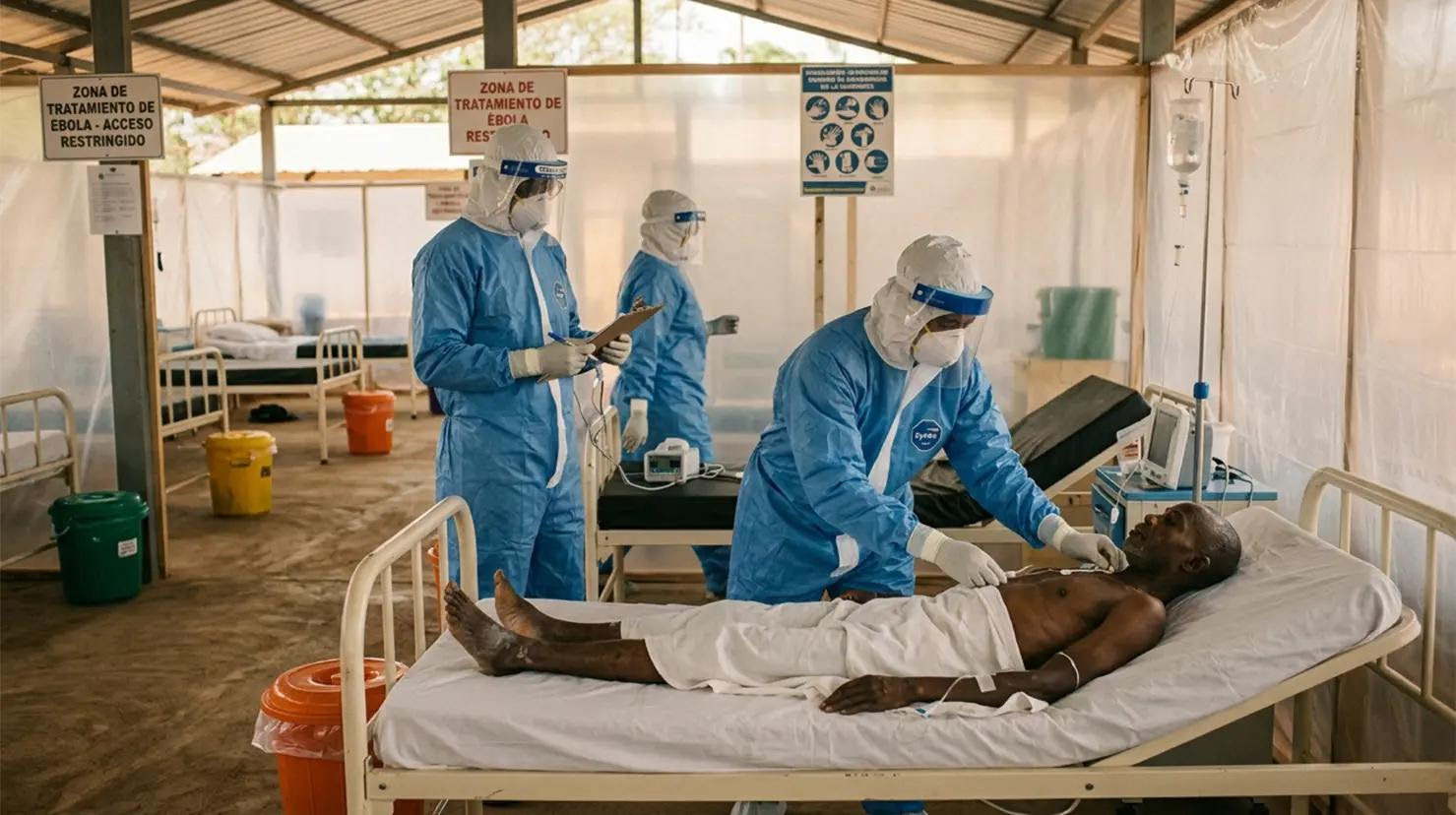
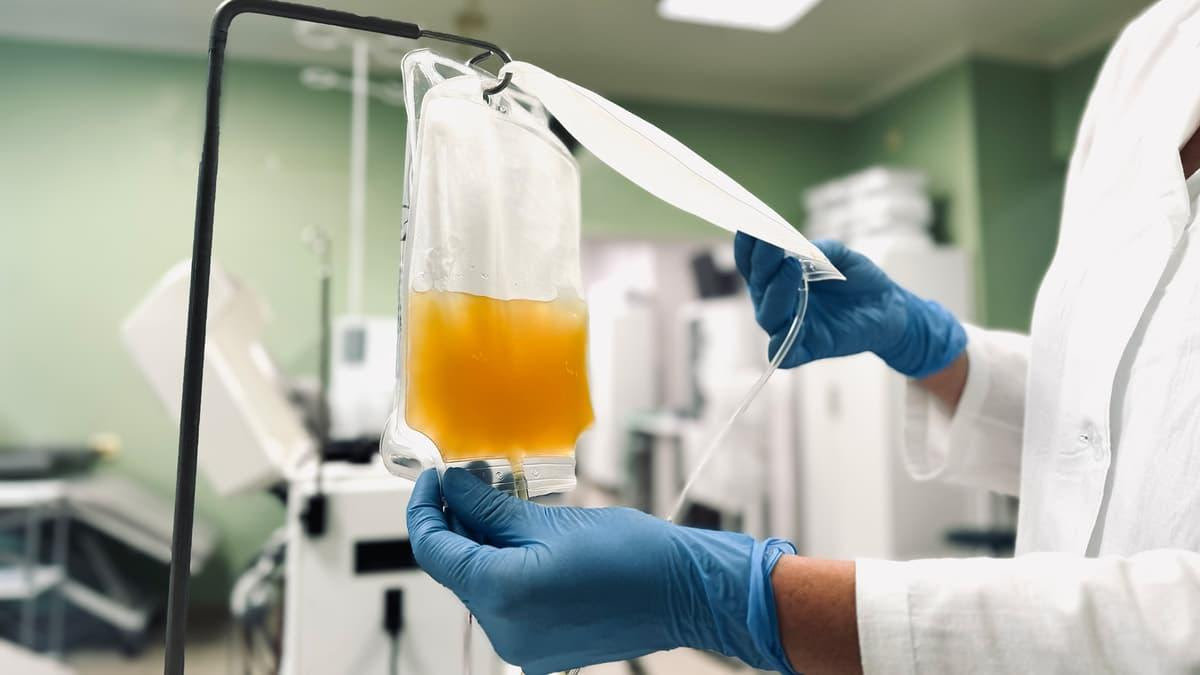
When a new virus emerges, time matters
Emerging viral outbreaks can overwhelm healthcare systems before effective vaccines, antiviral medications, or targeted antibody treatments become widely available.
Yet patients who recover from infection may carry something valuable: naturally developed antibodies capable of recognizing the pathogen.
Convalescent plasma therapy seeks to transfer these antibodies from recovered donors to infected patients, providing immediate passive immunity. Its potential effectiveness depends on the virus, antibody neutralizing activity, dose, timing of administration, and recipient characteristics.
The challenge during an outbreak is not simply identifying recovered donors. It is collecting, processing, testing, and delivering suitable plasma rapidly, safely, and affordably.
HemoClear was developed to help overcome this practical barrier.
The HemoClear solution: local plasma production when conventional systems are limited
HemoClear uses membrane-based blood filtration to separate plasma from donated blood without requiring a conventional centrifugal apheresis machine.
The technology offers the potential for plasma collection close to the patient, including in resource-constrained hospitals and outbreak-response settings.
It may enable hospitals to build local plasma collection capacity, reducing dependence on complex centralized equipment.
Potential advantages include:
Portable technology
Portable, comparatively simple filtration technology.
Less equipment
Reduced dependence on expensive centrifugation equipment.
Antibody-containing plasma
Collection of antibody-containing plasma from eligible recovered donors.
Return to the donor
Return of separated cellular blood components to the donor in an appropriately validated clinical workflow.
Local integration
Potential integration into local hospital and outbreak-response systems.
All donor screening, antibody qualification, infectious-disease testing, product release, and transfusion safety requirements remain essential.
Clinical feasibility during COVID-19 in Suriname
During the COVID-19 pandemic, the Academic Hospital Paramaribo in Suriname used HemoClear to produce convalescent plasma for patients with severe SARS-CoV-2 infection.
A published prospective, nonrandomized study included 200 ICU patients, of whom 58 received HemoClear-produced convalescent plasma in addition to standard care.
The study reported an association between convalescent plasma treatment and lower mortality (adjusted hazard ratio 0.35; 95% CI 0.18-0.66).
These findings provided encouraging clinical evidence in a resource-constrained environment. However, because treatment allocation was not randomized, the study cannot establish that plasma therapy itself caused the observed survival difference.
Bihariesingh-Sanchit et al., mBio, 2023. DOI: 10.1128/mbio.03379-22
Scientific validation: preserving the antibodies that matter
A subsequent study published in 2024 compared HemoClear gravity-driven membrane filtration with conventional centrifugation using donations from 10 recovered COVID-19 patients.
The researchers found comparable total IgG, IgM, and IgA concentrations and largely comparable SARS-CoV-2-specific IgG levels between the two methods.
This supports HemoClear as a feasible method for recovering antibody-containing plasma without substantial loss of the immunoglobulins measured.
Importantly, this is evidence of comparable antibody content, not proof of equivalent virus-neutralizing potency or clinical effectiveness for every pathogen.
Bihariesingh-Sanchit et al., World Journal of Advanced Research and Reviews, 2024. DOI: 10.30574/wjarr.2024.21.2.0527
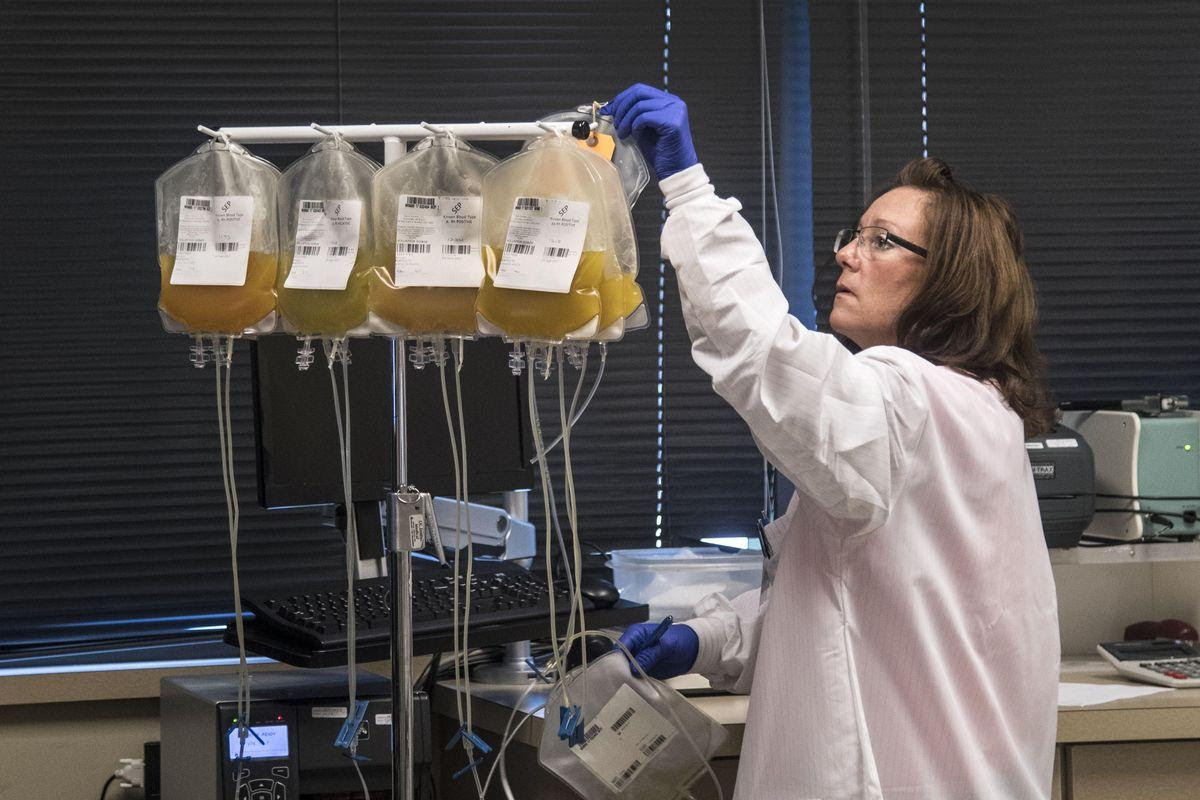
From COVID-19 to Ebola: a new opportunity for outbreak preparedness
Ebola virus disease illustrates the urgent need for rapidly deployable therapeutic options during outbreaks, particularly in regions where specialized medical infrastructure is limited.
The use of convalescent plasma in Ebola is not a new concept.
During the West African Ebola epidemic, the Ebola-Tx Consortium investigated convalescent plasma treatment in Guinea. In a nonrandomized comparative study, 99 patients received plasma, with 84 included in the primary analysis.
The adjusted mortality difference was not statistically significant. Importantly, the neutralizing antibody concentrations of the administered plasma were unknown at the time of treatment.
The trial demonstrated that Ebola convalescent plasma could be collected and administered in an outbreak setting, but it did not demonstrate a survival benefit.
Van Griensven et al., New England Journal of Medicine, 2016. Evaluation of Convalescent Plasma for Ebola Virus Disease in Guinea. DOI: 10.1056/NEJMoa1511812
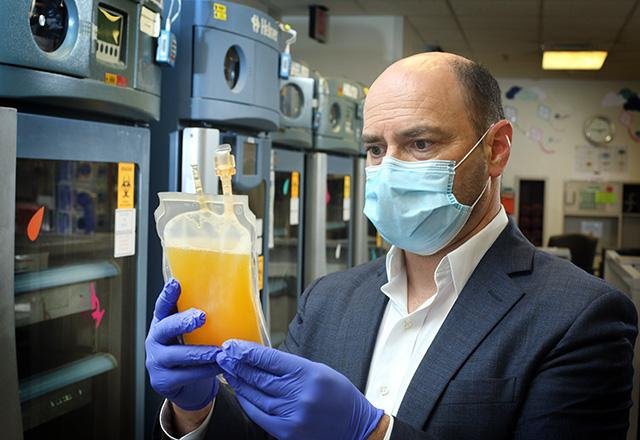
What could HemoClear contribute?
HemoClear introduces a different approach to the production and availability of convalescent plasma, rather than a different antibody treatment mechanism.
Its potential contribution includes faster establishment of local collection capability, simplified processing, and improved access in hospitals without conventional apheresis equipment.
A future Ebola research programme could evaluate HemoClear-produced plasma collected from carefully screened survivors with confirmed virus-specific neutralizing antibodies.
Such a programme would need to establish donor and recipient safety, pathogen inactivation or clearance requirements, plasma quality, neutralizing antibody potency, and clinical efficacy.
HemoClear-produced Ebola convalescent plasma remains an investigational concept. It has not been demonstrated to improve Ebola outcomes and should not replace established supportive care or recommended Ebola-specific monoclonal antibody treatments where applicable.
The 2026 Bundibugyo Ebola outbreak: an urgent need for new therapeutic research
The ongoing Bundibugyo Ebola outbreak in Central Africa highlights a critical gap in global pandemic preparedness: the availability of effective, pathogen-specific therapies when a new epidemic emerges.
HemoClear offers a potential technological contribution by enabling decentralized production of convalescent plasma from appropriately screened survivors. Such plasma may contain naturally developed polyclonal antibodies, including IgG and IgM, directed against the circulating virus.
Clinical experience during COVID-19 in Suriname and subsequent laboratory investigations support the feasibility of this approach to plasma collection. However, its effectiveness against Bundibugyo Ebola has not been established.
The next step is to investigate whether HemoClear can safely produce plasma with sufficient Bundibugyo-specific neutralizing antibody activity and whether this could offer clinical benefit when evaluated in controlled research.
From the lessons of COVID-19 to the challenges of Ebola, HemoClear aims to make local convalescent plasma production part of future outbreak-response preparedness.
This proposed application is investigational and requires appropriate biosafety measures, regulatory authorization, donor screening, plasma testing, and clinical evaluation. It is not an established treatment for Ebola.
Recognized in the scientific literature: preparing for the next pandemic
The potential role of HemoClear in pandemic preparedness is described in the scientific chapter:
by Nierich, Bihariesingh, and Bansie, published in Springer's Current Topics in Microbiology and Immunology (2024).
The chapter discusses how simplified, hospital-based plasma collection could help overcome logistical and financial barriers encountered during the COVID-19 pandemic.
Its central implication is important: pandemic preparedness requires not only the development of new therapies, but also the ability to produce and distribute potentially useful biological treatments where they are needed.
A platform for future outbreak response
Preparedness before the next outbreak
Develop and validate plasma collection capacity, donor screening protocols, and clinical research partnerships in advance.
Local access in resource-constrained settings
Evaluate decentralized collection systems that reduce dependence on specialized centralized infrastructure.
Evidence-driven development
Combine validated plasma production with antibody testing, rigorous clinical studies, and pathogen-specific treatment protocols.
Partner with HemoClear in pandemic preparedness
The experience gained in Suriname demonstrates that practical plasma collection technology can expand the treatment and research options available to hospitals during a public-health emergency.
HemoClear welcomes collaboration with infectious disease researchers, blood banks, public-health authorities, humanitarian organizations, and pharmaceutical partners to evaluate convalescent plasma collection for emerging viral diseases.
Our mission is to make antibody-containing plasma accessible where and when it may be needed, and to establish its clinical value through responsible scientific evaluation.
HemoClear transforms convalescent plasma collection from a centralized, equipment-dependent procedure into a potentially accessible hospital-based capability, helping healthcare systems prepare for the next viral outbreak.
Medical and regulatory note: HemoClear's experience producing COVID-19 convalescent plasma does not establish regulatory authorization or clinical efficacy for Ebola or other emerging infections. Pathogen-specific use requires appropriate validation, ethics and regulatory approvals, and transfusion safety controls.