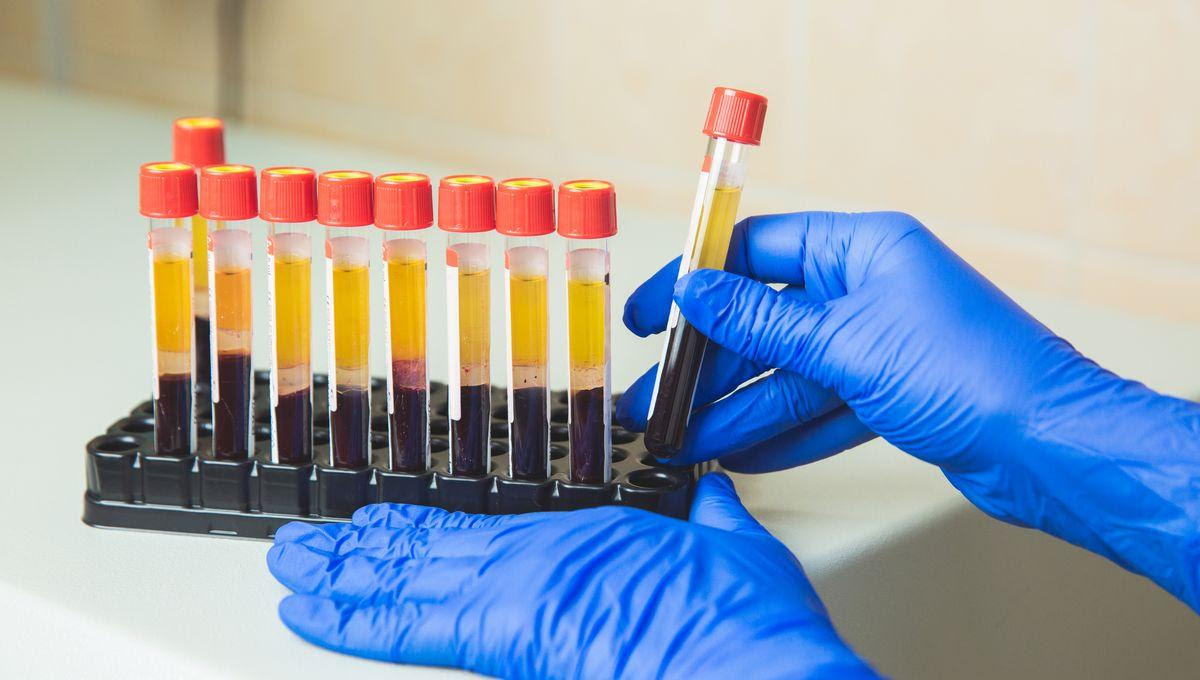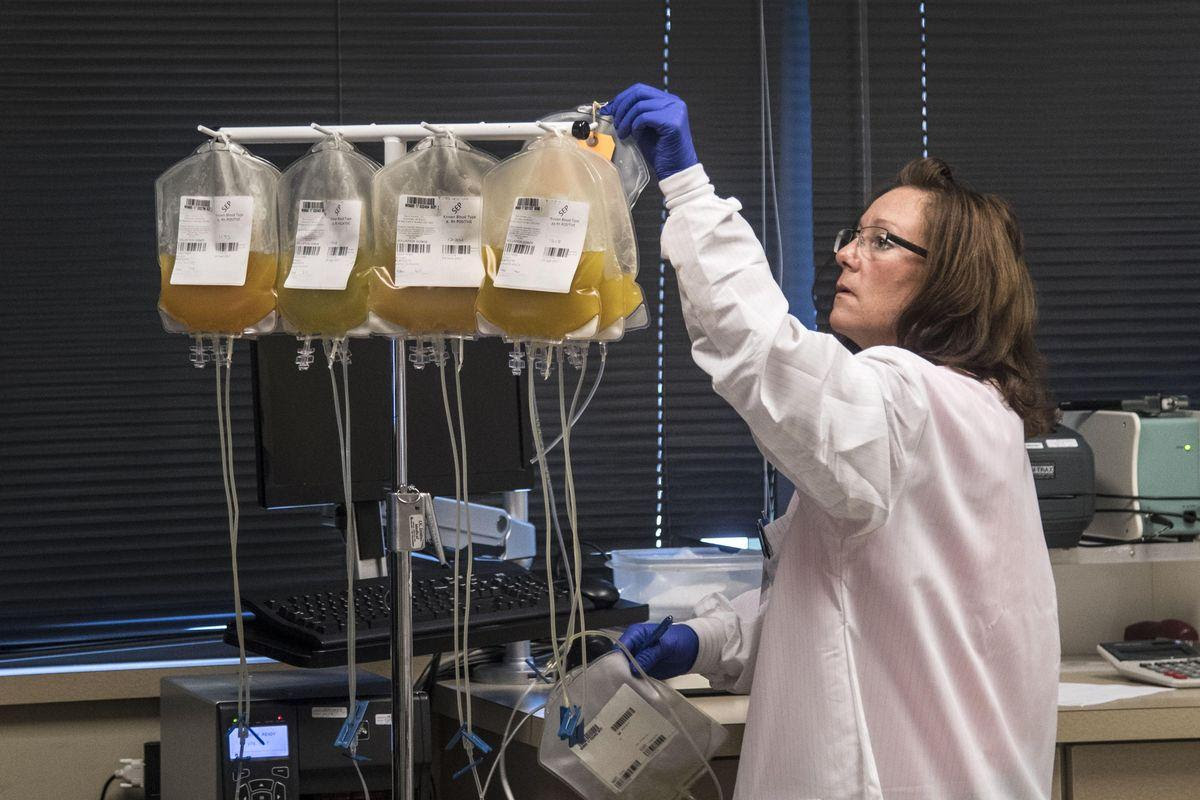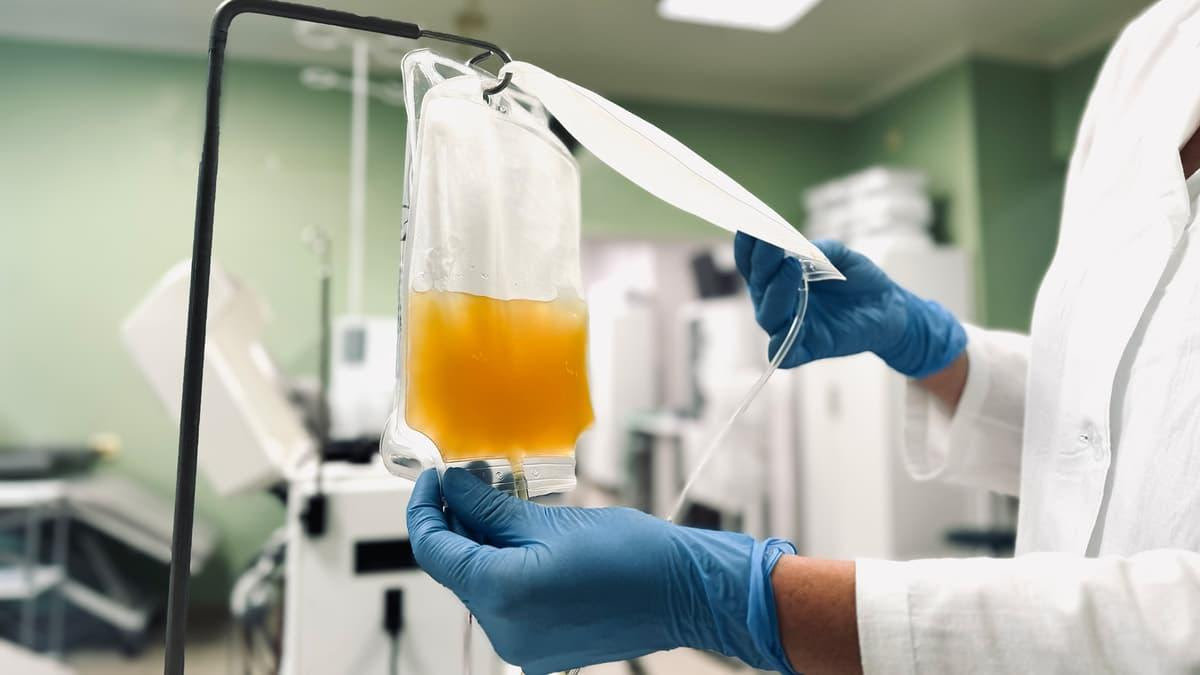
Plasma carries proteins, signalling molecules and waste products to every cell in the body. With age, the composition of plasma changes: levels of pro-inflammatory and age-associated proteins tend to rise. Researchers have asked whether removing part of this plasma, and replacing it with an albumin solution, could influence markers of biological aging.
Animal studies
Researchers at UC Berkeley replaced about half of the plasma of old mice with a saline-albumin solution. This was associated with improved tissue repair in muscle, liver and brain (Mehdipour et al., 2020). A follow-up study from the same group reported better cognitive measures and less neuroinflammation in old mice (Mehdipour et al., 2021).
These findings moved the focus from adding young plasma to removing age-associated factors from old plasma.
Human studies
Human research is still limited, and results differ between studies:
- A clinical study reported that therapeutic plasma exchange was associated with a shift in circulating protein markers towards a younger biological age profile in some participants (Kim et al., 2022).
- A placebo-controlled trial in healthy adults over 50 reported an average reduction in biological age of about 2.6 years in the group receiving plasma exchange combined with immunoglobulin (Fuentealba et al., 2025).
- A crossover trial in healthy blood donors undergoing repeated plasmapheresis, without albumin replacement, found no significant change in epigenetic age (Borsky et al., 2025).
- In the AMBAR trial in patients with mild-to-moderate Alzheimer's disease, plasma exchange with albumin replacement was associated with slower cognitive and functional decline than sham treatment (Boada et al., 2020).
What this means
The research points to a plausible link between plasma exchange and markers of aging, but the human evidence is still small and not consistent across study designs. Replacement fluid, treatment schedule and study population all appear to matter.
Plasma exchange is not an approved anti-aging treatment. Treatment decisions are made by a physician based on an individual medical assessment.