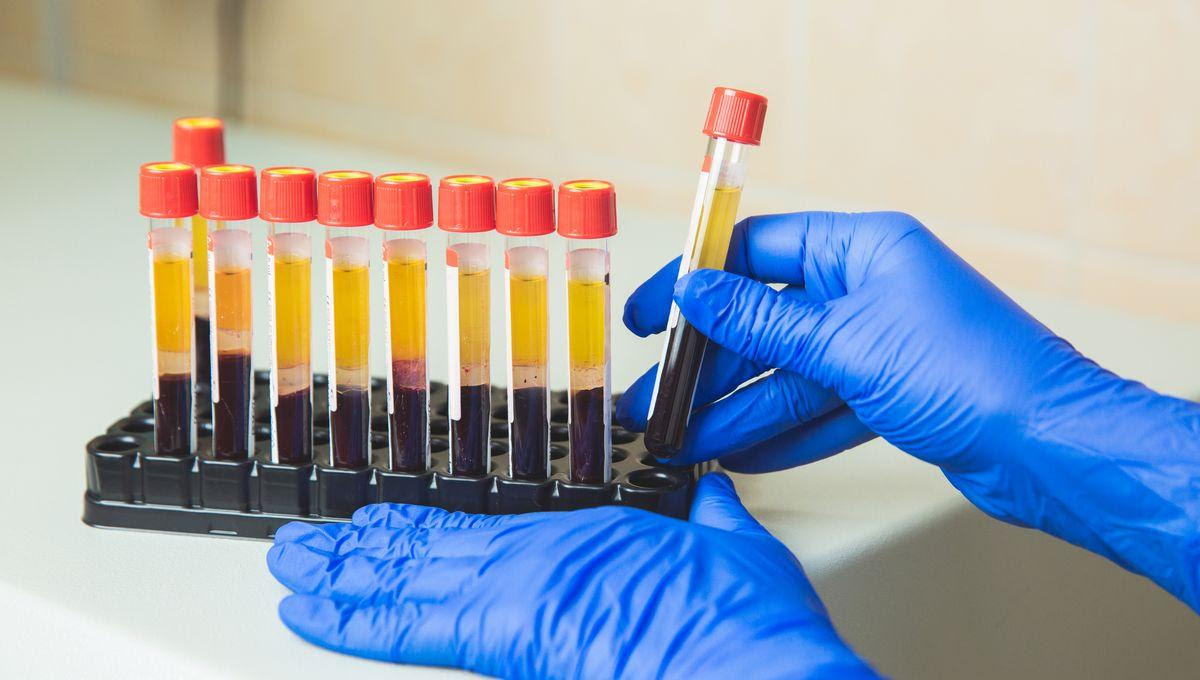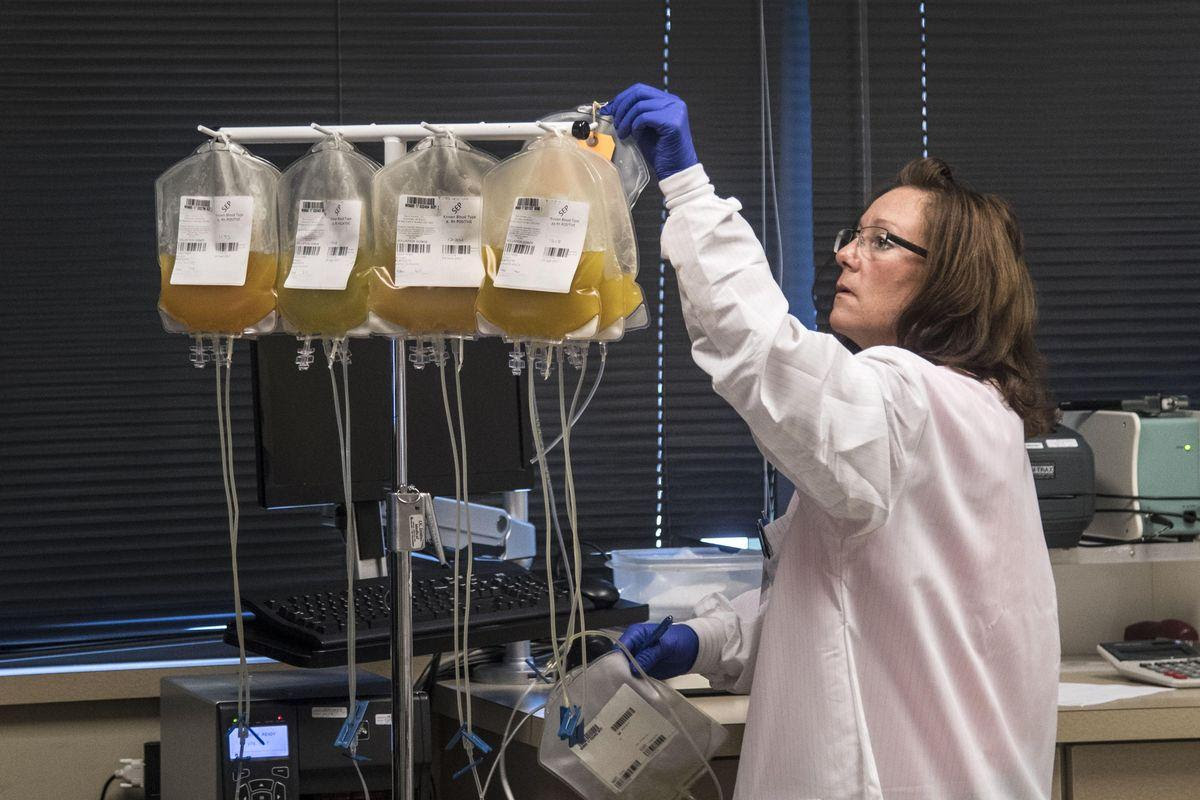
For convalescent plasma to be potentially effective, the collection process must preserve the antibodies produced by recovered donors.
A key question was whether the HemoClear membrane filtration method could recover immunoglobulins as effectively as conventional plasma separation by centrifugation.
Comparing two plasma collection methods
In a 2024 study, researchers compared plasma obtained through HemoClear gravity-driven crossflow membrane filtration with plasma obtained through conventional centrifugation.
Blood donations from 10 recovered COVID-19 patients were evaluated using both methods.
Researchers measured total immunoglobulin concentrations, including IgG, IgM, and IgA, as well as SARS-CoV-2-specific antibodies.
The results
The study found no significant differences in total IgG, IgM, or IgA concentrations between the two processing methods.
SARS-CoV-2-specific IgG concentrations were also comparable across most assays, with one assay showing a small difference favoring filtration.
These results indicate that HemoClear can recover antibody-containing plasma with immunoglobulin concentrations comparable to those obtained by conventional centrifugation.
The study did not establish equivalent virus-neutralizing activity or clinical effectiveness.
Why this matters for future outbreaks
During an emerging viral epidemic, access to specialized centrifugation equipment may be limited.
A simpler membrane-based approach could help hospitals collect convalescent plasma locally, provided that donor eligibility, product quality, pathogen safety, and antibody potency can be adequately verified.
"Gravity-driven crossflow membrane filtration and mechanical centrifugation yield plasma with equivalent total and COVID-19-specific immunoglobulin content."