During the COVID-19 pandemic, hospitals worldwide faced unprecedented pressure. In Suriname, limited access to conventional plasmapheresis equipment created an additional challenge: how could clinicians obtain convalescent plasma from recovered patients when specialized collection systems were unavailable?
HemoClear provided a practical solution.
A clinical study involving 200 ICU patients
Researchers at the Academic Hospital Paramaribo investigated HemoClear-produced COVID-19 convalescent plasma in patients with severe SARS-CoV-2 infection.
Among 200 ICU patients, 58 received convalescent plasma in addition to standard care, while 142 received standard care alone.
The observed mortality was:
- 21% in patients receiving convalescent plasma.
- 39% in patients receiving standard care alone.
The study reported a statistically significant association between plasma treatment and lower mortality, with an adjusted hazard ratio of 0.35.
A promising finding with important limitations
These results were encouraging, particularly in a resource-constrained healthcare environment. However, this was a nonrandomized study, meaning that differences between patient groups could have influenced the outcome.
The results therefore support further investigation rather than proving treatment efficacy.
Implications for pandemic preparedness
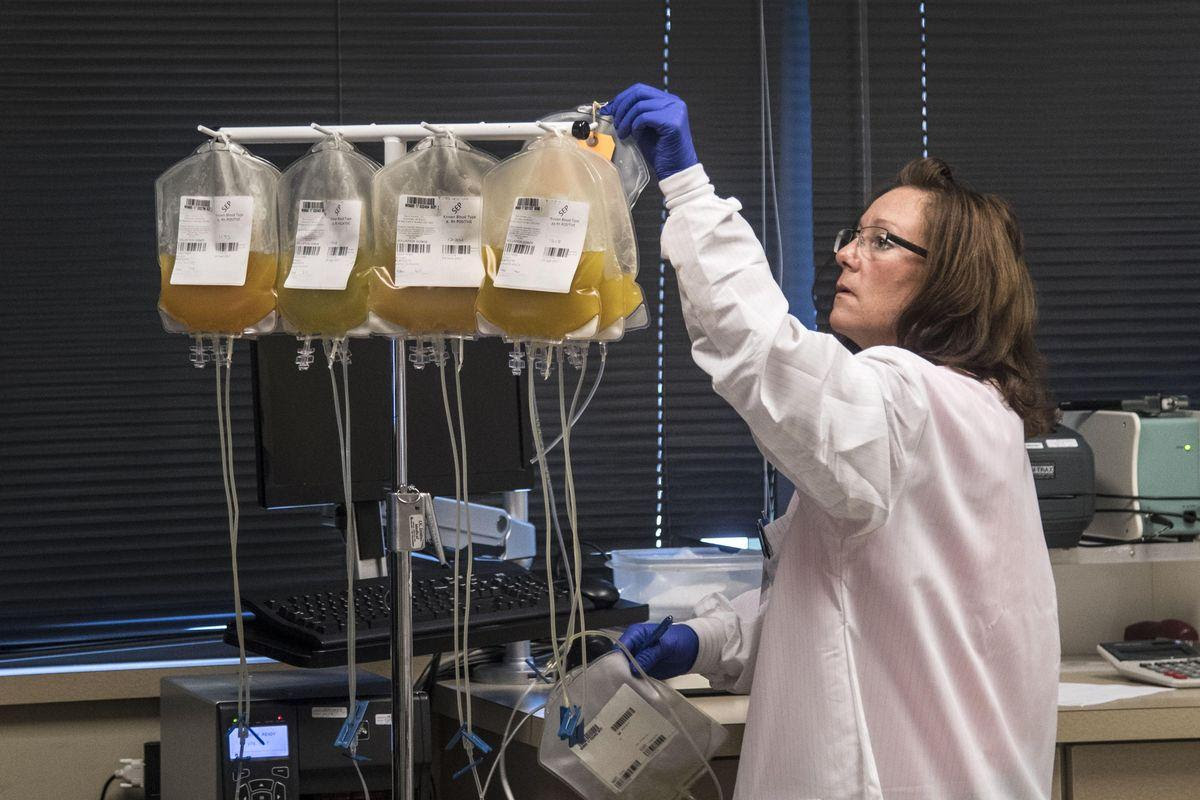
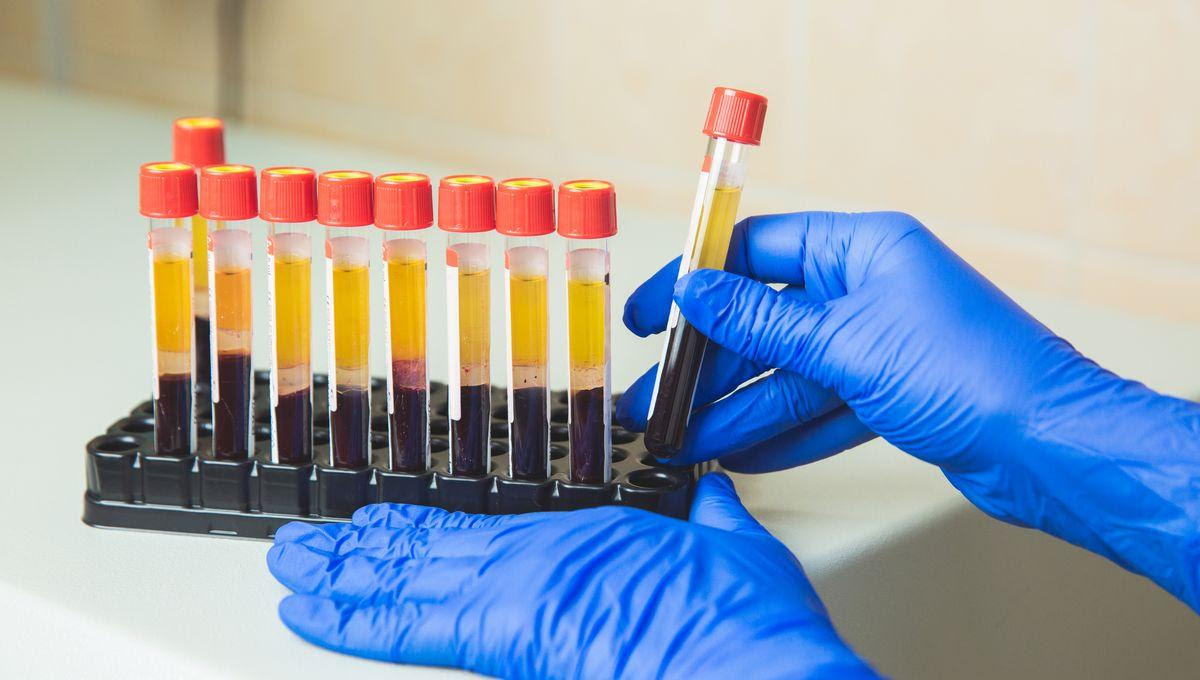
The Suriname experience demonstrated that hospitals without conventional plasmapheresis machines could produce convalescent plasma locally using HemoClear.
This capability may be valuable during future outbreaks when access to specialized blood-processing infrastructure is limited.
"Bedside plasma separation using the HemoClear device made convalescent plasma therapy accessible as a treatment option in Suriname."