Every major viral outbreak raises a difficult question: how can healthcare systems respond when effective pathogen-specific therapies are not yet widely available?
Convalescent plasma has long been investigated as a potential source of passive immunity.
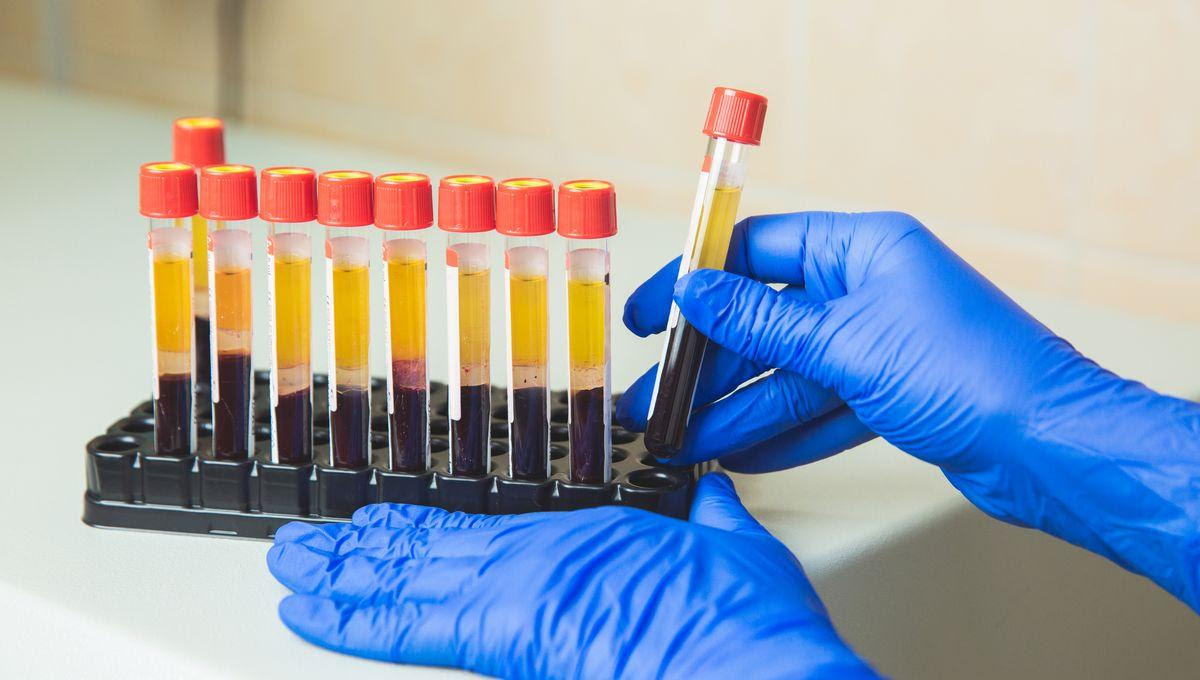
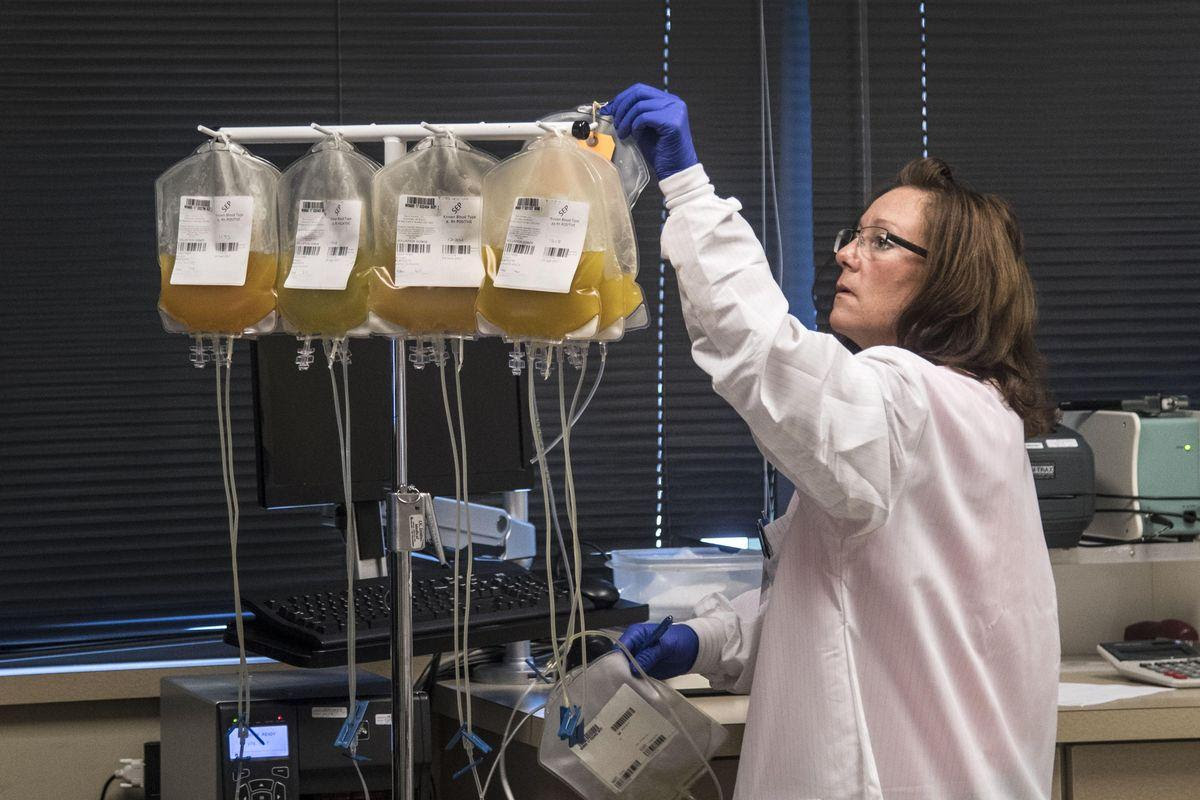
HemoClear introduces a practical approach to collecting this plasma without requiring conventional centrifugal plasmapheresis equipment.
Building on the COVID-19 experience
During the COVID-19 pandemic, HemoClear was used at the Academic Hospital Paramaribo in Suriname to collect plasma from recovered patients.
Subsequent scientific publications documented both clinical experience with HemoClear-produced convalescent plasma and laboratory evidence of comparable immunoglobulin recovery using membrane filtration and centrifugation.
Together, these studies support the technical feasibility of decentralized convalescent plasma collection.
Why Ebola remains an important research opportunity
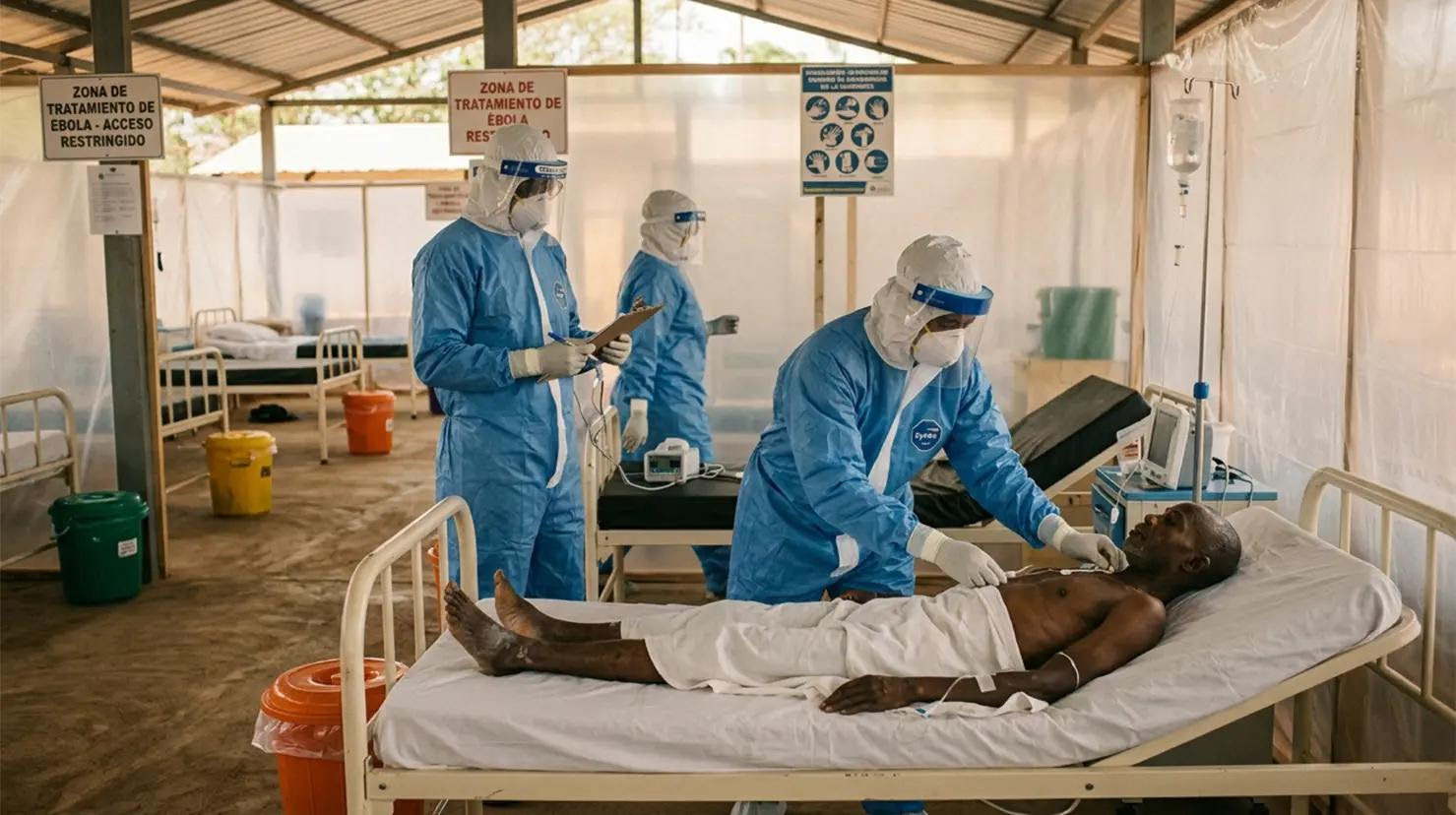
Earlier Ebola studies demonstrated the feasibility of administering survivor-derived convalescent plasma but did not establish clinical efficacy.
This leaves important scientific questions concerning donor selection, antibody neutralizing activity, treatment timing, and clinical outcomes.
HemoClear could contribute to future research by providing an alternative method for collecting convalescent plasma from eligible recovered donors.
However, the production method alone does not establish the therapeutic value of the plasma.
A proposed research pathway
Future outbreak-response studies could evaluate HemoClear-produced convalescent plasma through a structured programme incorporating:
- Screening of recovered donors and confirmation of recovery.
- Measurement of pathogen-specific neutralizing antibodies.
- Validated collection and plasma-processing procedures.
- Appropriate infectious-disease testing and pathogen safety measures.
- Regulatory and ethical oversight.
- Controlled evaluation of clinical safety and efficacy.
Such investigations should complement, not replace, established and recommended therapies.
"This paper will review the use of this method and its potential to expedite the process of obtaining convalescent plasma."
Supporting scientific references
HemoClear-produced convalescent plasma for Ebola is an investigational application. Its safety, clinical effectiveness, and regulatory suitability for this indication have not been established.