The COVID-19 pandemic exposed a major weakness in healthcare systems worldwide: potentially useful biological treatments may exist, but the infrastructure required to produce and distribute them is not always available.
Convalescent plasma is one example.
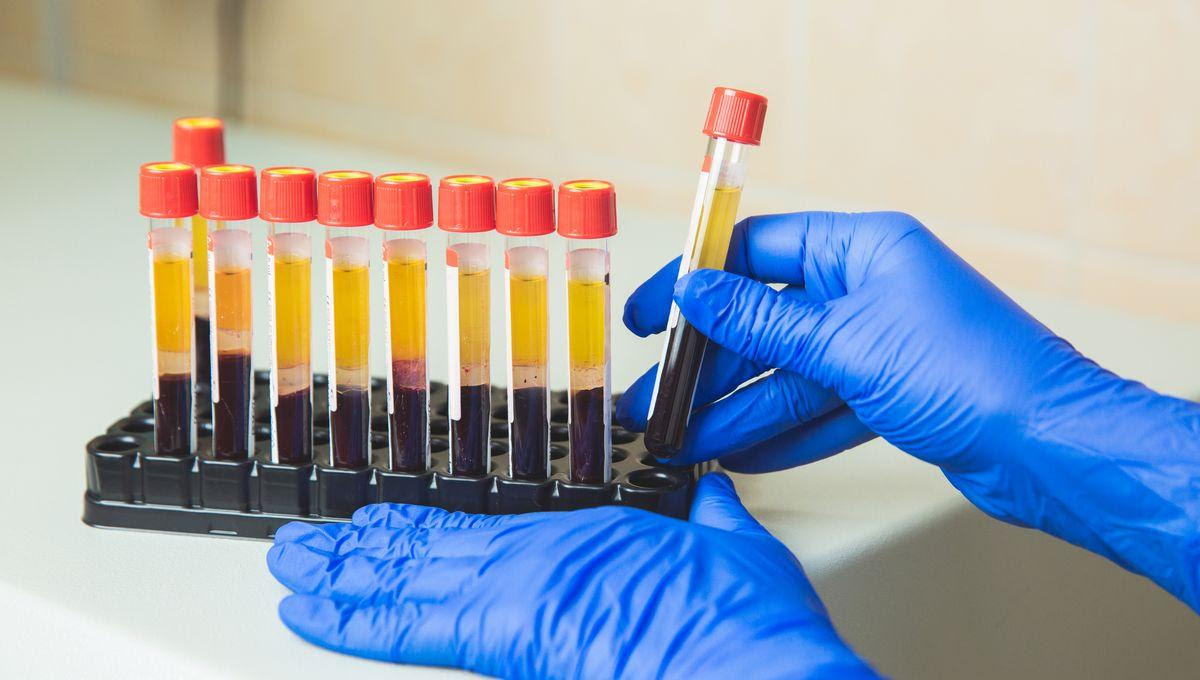
Recovered patients may develop antibodies capable of recognizing the virus responsible for their infection. Transferring these antibodies through convalescent plasma may provide passive immunity to selected recipients.
However, the clinical value of convalescent plasma varies by pathogen, antibody potency, recipient characteristics, and timing.
The problem with conventional plasma collection
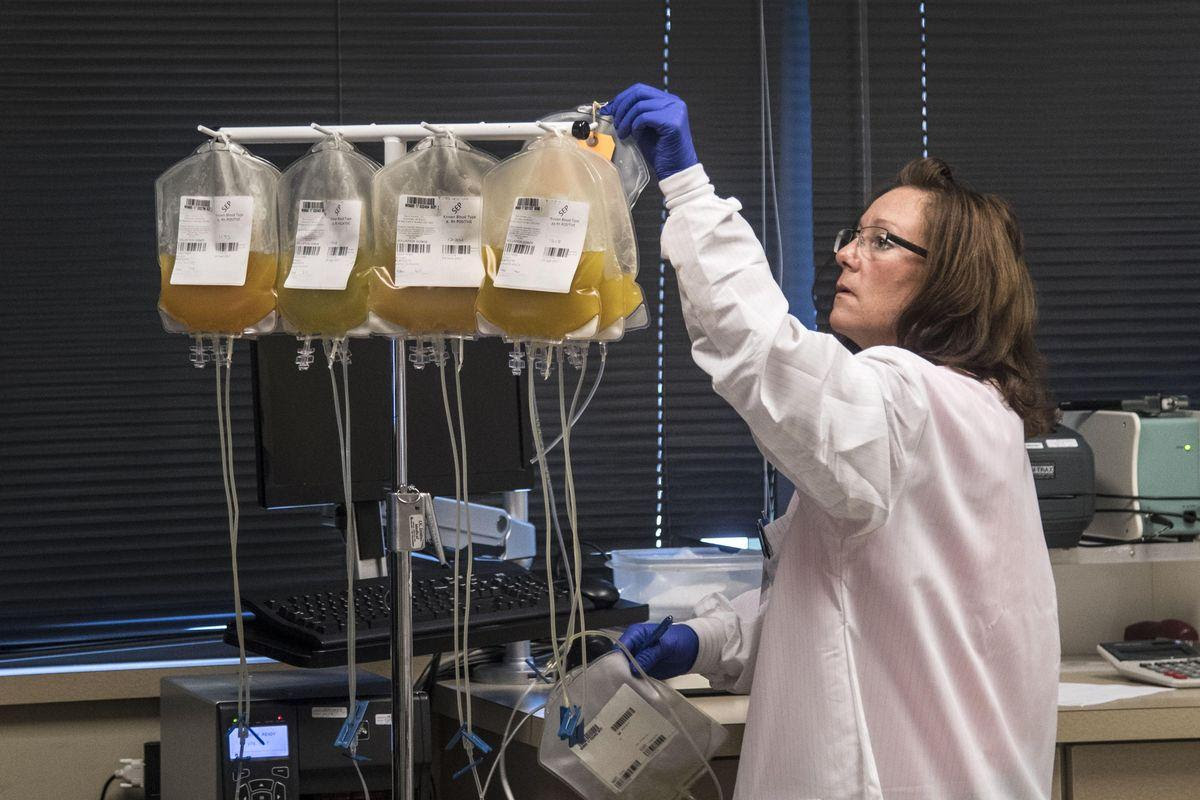
Traditional plasmapheresis systems require specialized equipment, trained personnel, maintenance, and an established blood-bank infrastructure.
These requirements can limit access during rapidly developing outbreaks, particularly in low- and middle-income countries.
A practical alternative
In their scientific chapter, Nierich, Bihariesingh, and Bansie describe the HemoClear approach to convalescent plasma collection.
The technology uses membrane-based filtration to separate plasma from blood while allowing cellular components to be returned to the donor.
Its relatively simple equipment requirements create opportunities for decentralized collection in appropriately equipped hospitals.
Lessons from Suriname
During COVID-19, HemoClear enabled local production of convalescent plasma in Suriname, where conventional plasmapheresis equipment was not readily available.
The experience illustrates how alternative collection technologies can expand access to clinical research and potentially useful biological products.
Looking beyond COVID-19
The authors discuss the possible role of HemoClear in future viral outbreaks, emphasizing the need for affordable and accessible plasma collection methods.
Potential applications include research into convalescent plasma for emerging infectious diseases, provided that appropriate pathogen-specific antibody testing, safety controls, and clinical evaluation are available.
"The pandemic has highlighted the need for cost-effective, accessible, and easy-to-use alternatives to conventional blood plasmapheresis techniques."