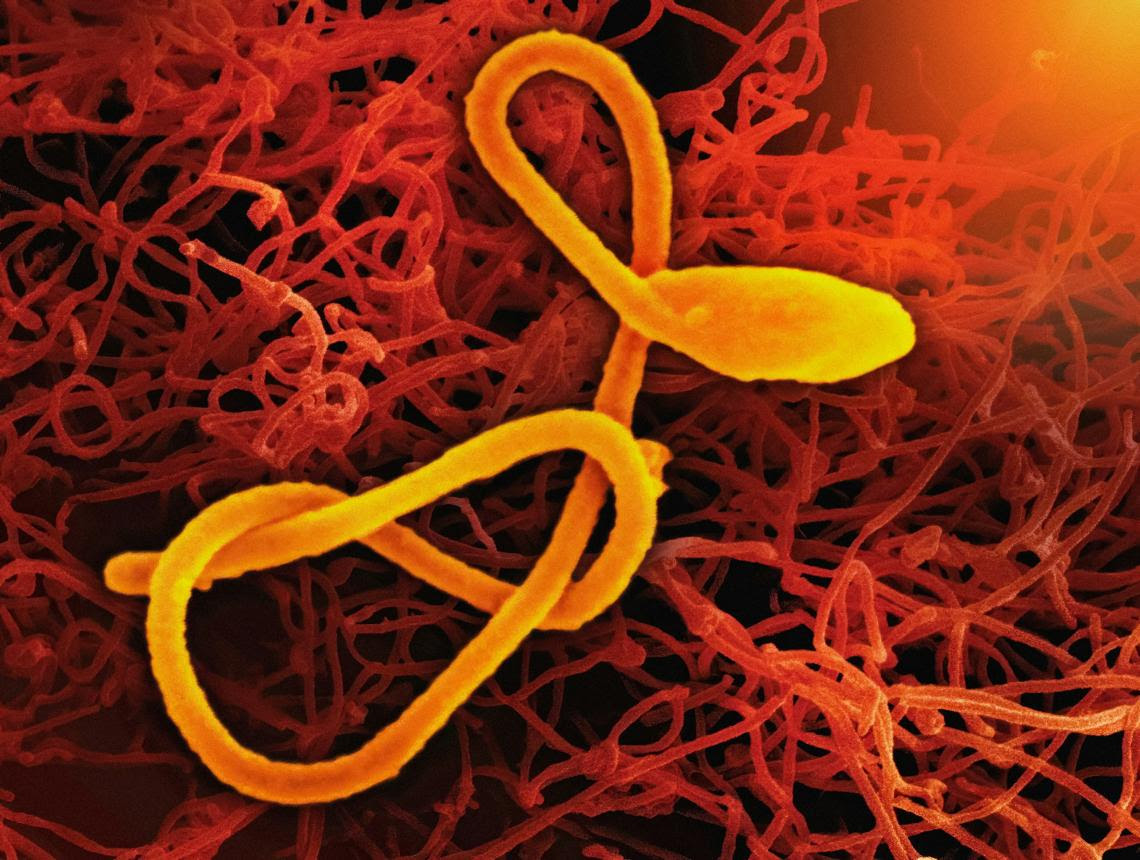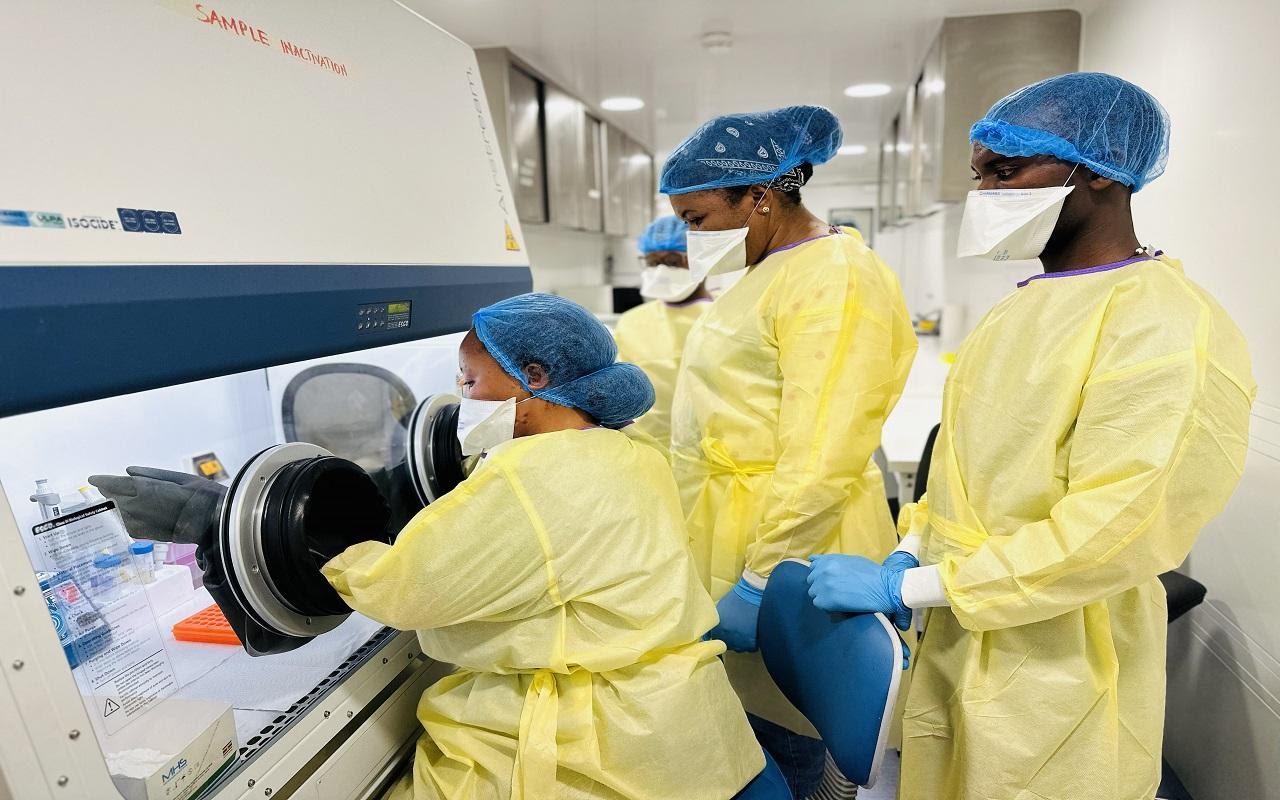
During the West African Ebola epidemic, clinicians and researchers urgently searched for therapeutic options capable of improving survival.
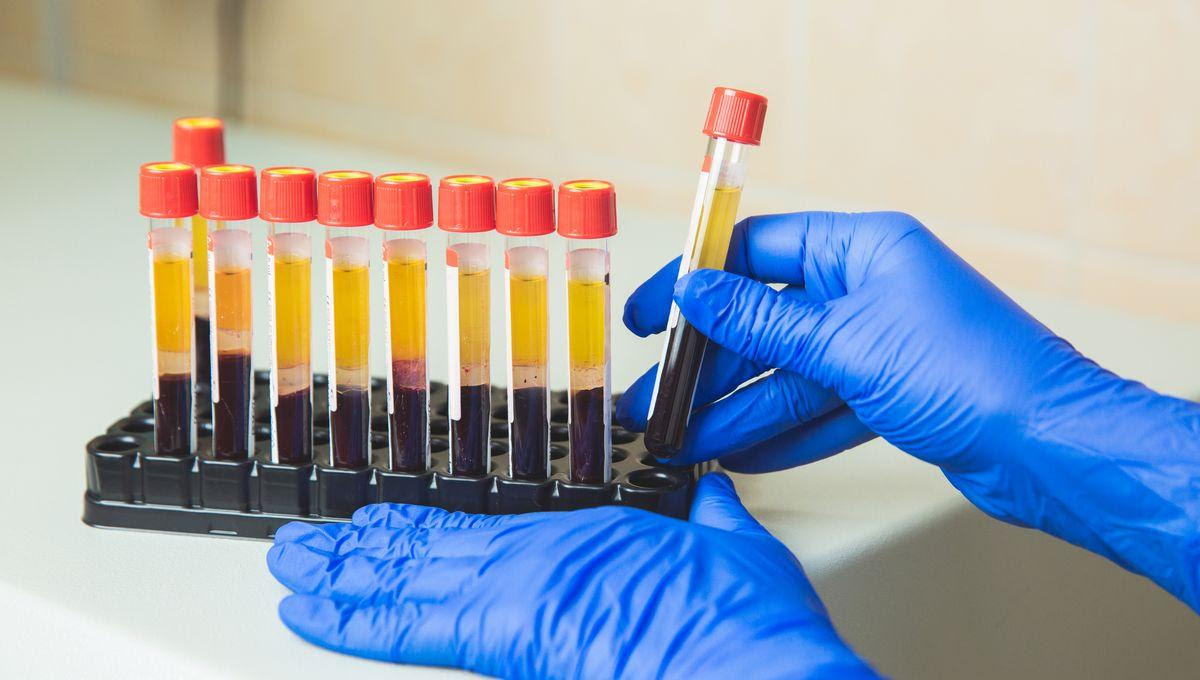
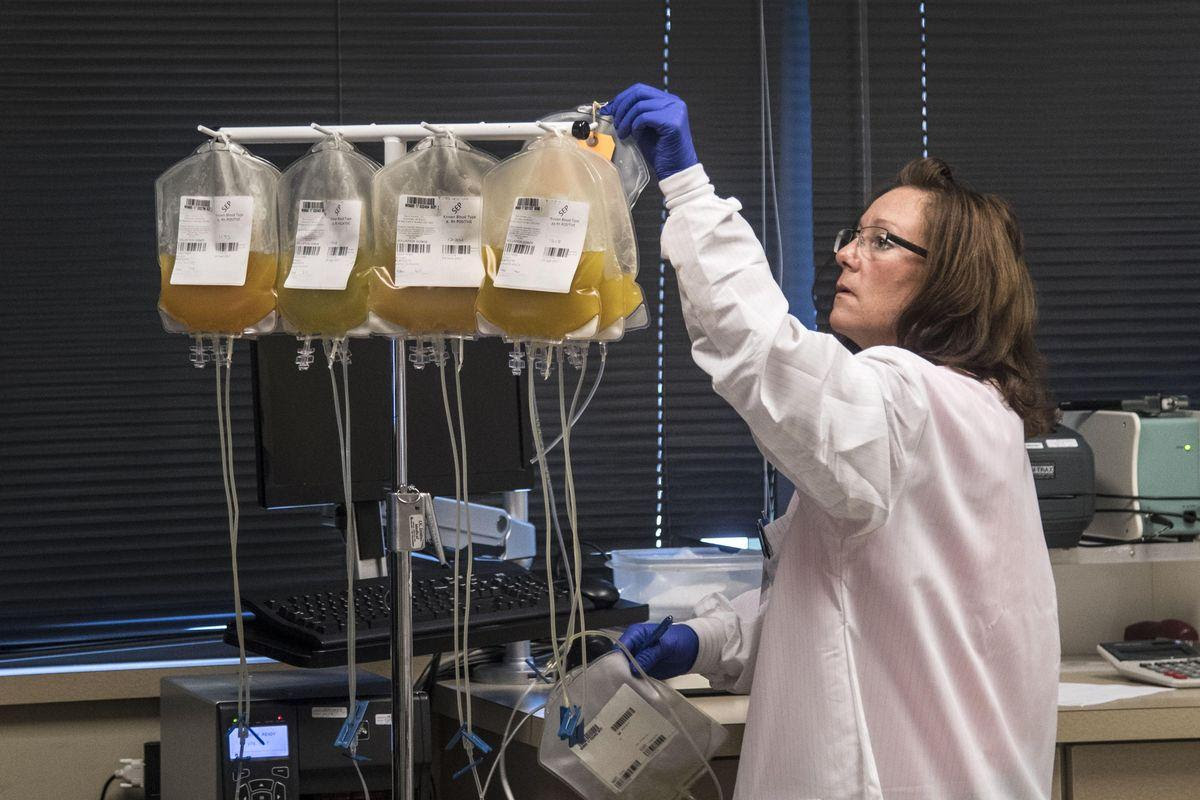
One approach was the administration of plasma from patients who had recovered from Ebola virus disease.
The rationale was straightforward: survivors might possess antibodies capable of recognizing and neutralizing the virus.
The Ebola-Tx study in Guinea
A study published in the New England Journal of Medicine in 2016 evaluated convalescent plasma therapy in patients with confirmed Ebola virus disease.
Ninety-nine patients received convalescent plasma, with 84 included in the primary analysis.
Mortality between days 3 and 16 after diagnosis was:
- 31% among convalescent plasma recipients.
- 38% among historical controls.
After adjustment for important clinical differences, the study did not demonstrate a statistically significant survival benefit.
An important scientific limitation
The neutralizing antibody concentrations of the donated plasma were unknown when it was administered.
Consequently, the study could not establish that patients received an adequate dose of virus-neutralizing antibodies.
The findings also did not establish that higher-titer plasma would necessarily improve survival.
What could be done differently?
Future research could investigate whether selecting donors based on confirmed neutralizing antibody activity and ensuring adequate antibody dosing improves the consistency of convalescent plasma products.
A technology such as HemoClear could potentially simplify the collection process, but would not by itself solve the challenges of antibody potency, pathogen safety, or treatment efficacy.
"No serious adverse reactions associated with the use of convalescent plasma were observed."